A Beginner’s Guide to Online Store Builders
Exploring Store Builders for Online Success, Discover how store builders empower entrepreneurs to launch, manage, and grow online shops with ease, flexibility, and innovative digital tools.
Discover Store Builders: Tools for Digital Business Store builders simplify e‑commerce by offering accessible solutions that help entrepreneurs design, launch, and manage online shops efficiently, driving growth in the digital marketplace.
The Evolution of Online Store Creation
A decade ago, building an online store was a complex and costly process. Entrepreneurs had to develop everything from scratch, investing significant time and resources. Today, the landscape has changed dramatically. Store builders provide ready‑to‑use platforms that allow anyone to set up a professional online shop quickly, with essential features already integrated.
Why Store Builders Matter
Instead of focusing on technical development, entrepreneurs can now concentrate on adding products, creating marketing strategies, and reaching customers. Store builders streamline the process, making e‑commerce accessible to startups, small businesses, and established brands alike. With the right approach, they can even help you increase google traffic via KeyUpSeo, ensuring your store gains visibility and attracts more potential customers.
Our Mission in This Guide
Reliable resources about store builders are still limited, so we decided to share comprehensive insights. In this article from the Keyupseo blog, you will learn about different types of store builders, how they work, and how to choose the best option for your business. Our goal is to help you build a successful online presence and grow sustainably in the digital marketplace.
What Is a Store Builder, and How Does It Work?
When you decide to create an online store, you need a system that manages everything behind the scenes. A store builder is exactly that: a platform designed to help you upload products, track inventory, set up discount codes, process customer orders, and connect all essential functions in one place. These tools are built specifically for e‑commerce and provide the foundation you need to launch a fully functional online shop quickly and effectively.
Thanks to modern store builders, entrepreneurs can enter the digital marketplace without heavy technical barriers. Instead of building complex systems from scratch, you gain access to ready‑made solutions that allow you to focus on growing your business and reaching customers.
The Challenge of Choosing the Right Store Builder
The number of available store builders is vast, ranging from popular SaaS platforms like Shopify and BigCommerce to open‑source solutions such as WooCommerce and Magento. Each option comes with unique advantages and limitations, making the selection process more complex than it may seem at first.
Reliable, comprehensive information about these platforms is often scattered or incomplete. That is why we created this guide: to provide clear insights into the most effective store builders and help you make informed decisions. In the following sections, we will explore the two main categories of store builders and highlight the differences that matter most for your business.
The Two Main Types of Store Builders
In general, store builders fall into two broad categories. Some are open‑source platforms that give you full access to the code, while others are subscription‑based SaaS solutions. Each type offers distinct benefits and challenges, which we will explore in detail.
Open‑Source Store Builders
Open‑source store builders are platforms whose source code is freely available, allowing developers and businesses to customize every aspect of their online store. These systems are typically self‑hosted, meaning you install them on your own hosting environment. While they provide maximum flexibility, they also require technical knowledge to set up and maintain.
Revenue for open‑source ecosystems often comes from premium themes, plugins, and extensions. For example, you might purchase a professional template, integrate global payment gateways such as PayPal or Stripe, or add advanced features like inventory management or marketing automation. Each additional capability usually involves extra cost, but it also enhances the functionality of your store.
One important consideration is support. Unlike SaaS platforms, open‑source solutions do not come with dedicated customer service. You either need to learn the technical skills yourself or hire professionals to manage and troubleshoot your store. This independence can be empowering, but also challenging for beginners.
By leveraging the right tools and strategies, open‑source platforms can help businesses scale effectively and even drive bulk website traffic through advanced customization and SEO optimization.
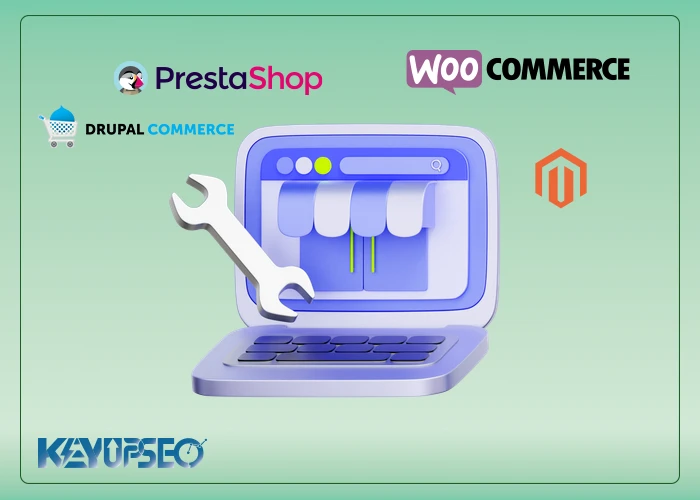
Popular Open‑Source Store Builders Worldwide
Now that you understand the concept of open‑source store builders, let’s explore some of the most widely used platforms across the globe. These solutions have earned strong reputations in the international e‑commerce community and are trusted by businesses of all sizes.
WooCommerce
A powerful plugin for WordPress that transforms a blogging platform into a fully functional online store. It is one of the most popular open‑source e‑commerce solutions worldwide.
Joomla with Extensions
Similar to WooCommerce, Joomla can be extended with e‑commerce modules to add shopping capabilities to its content management system.
PrestaShop
A dedicated open‑source e‑commerce platform offering a wide range of features, themes, and modules for customization.
OpenCart
Known for its simplicity and ease of use, OpenCart is a lightweight solution suitable for small to medium‑sized businesses.
Magento (Adobe Commerce)
A robust and highly scalable platform designed for larger enterprises, offering advanced features and extensive customization options.
Drupal Commerce
An extension of the Drupal CMS that integrates e‑commerce functionality, ideal for businesses needing flexibility and content‑driven experiences.
These platforms represent the leading open‑source store builders available globally. In the next sections, we will take a closer look at their strengths, limitations, and how they compare to SaaS‑based solutions.
SaaS Store Builders (Subscription‑Based Platforms)
SaaS store builders operate on a subscription model. Instead of downloading and hosting the software yourself, you pay a recurring fee, usually monthly or annually to access the platform and its services. Your website is hosted on the provider’s servers, and all essential tools are included in the package.
While these systems are not free, they eliminate many hidden costs such as purchasing themes, hiring developers, or managing separate hosting accounts. Setup is straightforward, and learning to use the platform is generally easier compared to open‑source solutions.
Advantages of SaaS Store Builders
One of the biggest benefits of SaaS platforms is customer support. Providers typically offer dedicated teams to answer questions, resolve issues, and ensure your store runs smoothly. This makes editing, scaling, and maintaining your site far less complicated.
SaaS solutions are especially appealing to beginners or small businesses without technical expertise. They provide ready‑made features, integrated payment gateways, and security updates, allowing entrepreneurs to focus on selling rather than managing infrastructure.
However, SaaS platforms are not perfect. Advanced customization can be limited, and if you need highly specific features, you may need to negotiate with the provider or rely on third‑party integrations. For most users, though, SaaS store builders strike a balance between simplicity and functionality.
Leading SaaS Store Builders Worldwide
SaaS store builders are among the most popular solutions for launching online businesses today. These platforms operate on a subscription basis, providing hosting, security, and integrated tools without requiring technical expertise. They are widely used across the globe and have become the backbone of modern e‑commerce.
Some of the most recognized SaaS store builders include:
Shopify
Known for its ease of use, scalability, and extensive app ecosystem, Shopify is one of the leading SaaS platforms worldwide.
BigCommerce
Offers powerful built‑in features, advanced SEO tools, and flexibility for businesses of all sizes.
Squarespace Commerce
Combines elegant design templates with e‑commerce functionality, ideal for creative entrepreneurs.
Wix eCommerce
Provides drag‑and‑drop simplicity with integrated payment solutions, making it beginner‑friendly.
Volusion
A long‑standing SaaS platform offering essential tools for product management, marketing, and analytics.
Weebly eCommerce
Focuses on simplicity and affordability, suitable for small businesses and startups.
These SaaS store builders represent the most prominent subscription‑based platforms available globally. In the next sections, we will analyze their strengths, limitations, and how they compare to open‑source solutions, helping you decide which option best fits your business goals.

Comparing Open‑Source and SaaS Store Builders
When choosing the right store builder, businesses often face the decision between open‑source platforms and SaaS solutions. Both approaches have unique strengths and limitations, and understanding these differences is essential for building a sustainable online store.
Flexibility vs. Simplicity
Open‑source store builders provide maximum flexibility. You can customize every aspect of your store, integrate advanced features, and control hosting environments. This makes them ideal for businesses with technical expertise or those seeking highly tailored solutions. However, this freedom comes with added responsibility: you must manage updates, security, and troubleshooting yourself.
SaaS platforms, on the other hand, prioritize simplicity. They offer ready‑made features, integrated hosting, and dedicated support teams. Entrepreneurs can launch stores quickly without worrying about technical details. The trade‑off is limited customization compared to open‑source systems, as advanced modifications often require provider approval or third‑party apps.
Cost and Maintenance
Open‑source solutions are free to download, but costs arise from hosting, premium themes, plugins, and professional support. Long‑term maintenance can also be resource‑intensive.
SaaS platforms operate on subscription fees, which cover hosting, updates, and customer support. While ongoing payments may seem higher, they often reduce hidden costs and simplify management. For startups or small businesses, this predictable pricing model can be more practical.
SEO and Growth Potential
Open‑source platforms allow full control over technical SEO, enabling businesses to implement advanced strategies. SaaS platforms also provide built‑in SEO tools, but customization may be limited. Regardless of the choice, applying ethical optimization practices such as white hat SEO ensures long‑term visibility and credibility in search engines.
Which Type of Store Builder Should You Choose?
Throughout this article, we have explored the major differences between open‑source and SaaS store builders, highlighting the advantages of each. The decision depends on your business goals, technical skills, and growth plans. If you value complete control and customization, open‑source may be the right fit. If you prefer ease of use, predictable costs, and reliable support, SaaS platforms are often the better option.
SaaS platforms are often the better option for beginners or small businesses. Their simplicity, integrated hosting, and dedicated support teams make them ideal for those who want to launch quickly without dealing with technical complexity.
Open‑source solutions, on the other hand, are perfect for businesses that require advanced customization. They give you complete control over design, features, and integrations, allowing for unique and highly tailored online stores. However, they demand technical expertise or professional assistance to manage effectively.
Focus on Your Needs, Not Just the System
If you are searching for a definitive answer, the best approach is not to choose based solely on whether a platform is open‑source or SaaS. Instead, evaluate individual systems and determine which one aligns most closely with your specific requirements.
Ask yourself:
- Does the platform provide the features my business truly needs?
- Can I manage the technical aspects, or do I prefer simplicity and support?
- Will the system scale as my business grows?
By focusing on these questions, you avoid being locked into a category and instead select the solution that best supports your long‑term success.
Building Your Path in Online Commerce
Choosing the right store builder is more than a technical decision, it is a strategic step toward shaping your digital business. Whether you lean toward the flexibility of open‑source platforms or the simplicity of SaaS solutions, the key is aligning your choice with your long‑term goals.
Turning Knowledge Into Action
Understanding the differences between these systems is only the beginning. The next step is to evaluate your resources, technical skills, and growth ambitions. By doing so, you can select a platform that not only meets your current needs but also scales with your future vision.
Preparing for Sustainable Growth
The e‑commerce landscape continues to evolve rapidly, and store builders are at the heart of this transformation. With the right platform, you can streamline operations, enhance customer experiences, and position your business for sustainable success in the global marketplace. If you are planning to launch or grow your online store, it is better to read this article carefully, it will guide you toward making smarter choices and building a stronger digital presence.
For further insights into how to engage your audience effectively, make sure to check out our blog on Call to Action, it’s a practical resource that shows how powerful messaging can drive conversions and strengthen your online strategy.
Release date : 8 December, 2025