How to Spot a Fake Traffic Seller
You have a new website. You need visitors. You search online and find someone offering ten thousand visitors for fifty dollars. The price looks tempting. Your finger hovers over the buy button.
Stop right there.
I have seen too many people lose money this way. Not because buying traffic is bad. Because they bought from the wrong source without knowing what to look for.
8 red flags of fake traffic provider to watch for. That is what this guide covers. By the end, you will know exactly which signs mean walk away and which providers might actually be worth testing.
Here is what I have learned after years in this business. Fake traffic sellers all follow similar patterns. They make similar promises. They hide the same information. Once you know the patterns, spotting them takes five minutes.
Questions to Ask Before Buying Website Traffic
Before we go through all 8 flags, let me say this clearly. Questions to ask before buying website traffic help you spot fake sellers and avoid wasting money on worthless visitors.
The right questions separate serious providers from scams. A legitimate seller answers clearly. A fake seller gets defensive or gives vague answers.
Learn the right questions to ask before buying website traffic and how to spot a fake seller. That skill alone will save you thousands of dollars over time.
If you are looking for a clean, reliable starting point, some businesses choose to buy seo traffic through trusted platforms like KeyUpSeo where visitor behavior includes real engagement patterns. This gives you a baseline for what legitimate traffic looks like before you evaluate other sources.
Now let me walk you through the 8 red flags. Watch for these before you spend any money.
Red Flag 1: They Promise Specific Rankings or Sales
No legitimate traffic provider can guarantee you a number one spot on Google. No one can promise you a specific amount of sales.
Think about this logically.
Search rankings depend on hundreds of factors: your site content, your backlinks, your domain age, and your competition. How can a traffic seller control all of that?
They cannot.
Same with sales. A visitor can land on your site and leave without buying for many reasons. Your price might be too high. Your product photos might be low quality. Your checkout process might be confusing. The traffic seller has no control over any of this.
But fake sellers make these promises anyway because they sound good to someone who does not know better.
Here is what a real provider says: "We send visitors. What they do when they arrive depends on your site."
Here is what a fake provider says: "Buy our traffic and you will get 500 sales in the first week."
The second one is lying. Every time.
If someone promises guaranteed results that depend on factors outside their control, walk away. No exceptions.
Red Flag 2: They Cannot Tell You Where Traffic Comes From
A legitimate traffic provider knows exactly where their visitors come from. They can tell you the sources, the methods, and the targeting parameters.
A fake provider gives vague answers like "global traffic" or "high quality visitors from around the world."
That means nothing.
Ask specifically: Which countries, which devices, and which traffic sources? Do you use search ads, social media, display networks, or something else?
A real provider answers these questions clearly. They might say: "We use Google Display Network and social media ads targeting users interested in digital marketing, primarily in the US, UK, Canada, and Australia."
Why Traffic Source Transparency Matters
A fake provider gets defensive. "Why do you need to know that? Just trust us. The traffic is good."
Do not trust anyone who hides their sources. If they will not tell you where visitors come from, those visitors probably come from cheap bot networks or click farms.
If you are investing in backlinks as part of your SEO strategy, driving real eyes to those links matters. Learning how to increase backlink clicks is a separate skill, but it starts with knowing your traffic sources. Fake traffic will never click your backlinks genuinely, no matter how many visitors the report shows.
The bottom line: No transparency equals no trust. Move on to the next provider.
Red Flag 3: The Price Is Too Low to Be Real
You see an offer. Ten thousand visitors for ten dollars. Your brain gets excited. That is only one tenth of a cent per visitor.
Then you stop and think.
Real advertising costs money. Google Ads clicks often cost one to five dollars each depending on the keyword. Social media ads cost anywhere from a few cents to several dollars per click. Even cheap display network traffic rarely drops below five to ten cents per visitor.
How can someone sell you traffic for one tenth of a cent?
They cannot. Not real traffic anyway.
What you are buying at that price is almost certainly bots. Scripts running on servers. No real people. No real engagement. No real chance of conversions.
Here is a simple rule I follow. If the price sounds too good to be true, it is. Legitimate traffic has legitimate costs. No one gives away real visitors for less than the cost of showing them an ad.
Ask the provider to explain how they deliver traffic so cheaply. A real answer includes actual costs. A fake answer sounds like marketing nonsense.
Red Flag 4: They Refuse to Share Real Examples or Reviews
A legitimate provider has happy customers. They can show you examples, case studies, or testimonials from real businesses.
A fake provider has none of this.
When you ask for examples, they say things like "we respect client privacy" or "our contracts prevent us from sharing." Sometimes that is true for some clients, but not for all of them. A real provider can always show you at least one or two examples with permission.
Ask for specifics. Which websites have used their service? Can they share analytics screenshots before and after? Can they put you in touch with a past client?
If the answer is no to everything, walk away.
How to Spot Fake Reviews
Another thing to watch for is fake reviews. Some providers post their own fake testimonials. Look for detailed reviews that mention specific results, not generic praise like "great service" or "high quality traffic."
Check external sites too. Trustpilot, Reddit, and Facebook groups. Search for the provider's name plus words like "review" or "scam" or "legit."
If you cannot find any real feedback from real people, that is a red flag by itself.
Speaking of handling feedback, negative comments can happen to any business. If you ever face criticism online, knowing how to respond to negative comments professionally can protect your reputation. The KeyUpSeo blog has a guide on this that applies to any industry.
The bottom line is simple. A provider with nothing to show has something to hide.
Red Flag 5: They Do Not Offer a Small Test Option
A legitimate provider lets you start small. Fifty dollars, one hundred dollars, or a limited number of visitors. Enough to see if their traffic works for your site.
A fake provider pushes for a large commitment upfront. Two thousand dollars minimum. No refunds. No small packages.
Think about why.
If their traffic is real and valuable, they would be happy to prove it with a small test. A satisfied customer comes back and spends more. That is how good businesses grow.
If their traffic is fake, they know you will figure it out quickly. So they lock you into a large payment before you can discover the truth.
Always ask: Can I start with a small test? What is your smallest package?
If the answer does not include a real number under one hundred dollars, walk away.
A legitimate provider says yes to small tests. A fake provider says no or changes the subject. The difference tells you everything.
If you are looking for usa organic traffic, you can test this service with a minimum payment through KeyUpSeo. Once you are satisfied with the quality, you can start your main orders with confidence.
Red Flag 6: They Use Urgent Sales Tactics
"Only 5 spots left at this price." "Offer expires in 2 hours." "Buy now before we raise our rates."
These phrases work in e-commerce. They do not belong in traffic sales.
A legitimate traffic provider does not pressure you. They explain their service, answer your questions, and let you decide when you are ready. Their traffic works today, tomorrow, and next week. There is no rush.
A fake provider uses urgency to stop you from thinking clearly. They want you to click buy before you ask questions, check reviews, or run a small test.
If someone is rushing you, ask yourself why. What are they afraid you will discover if you wait?
The answer is almost always the same. They are afraid you will realize their traffic is worthless.
Take your time. Legitimate sellers respect patience. Only scammers demand speed.
Red Flag 7: Visitor Behavior Looks Identical
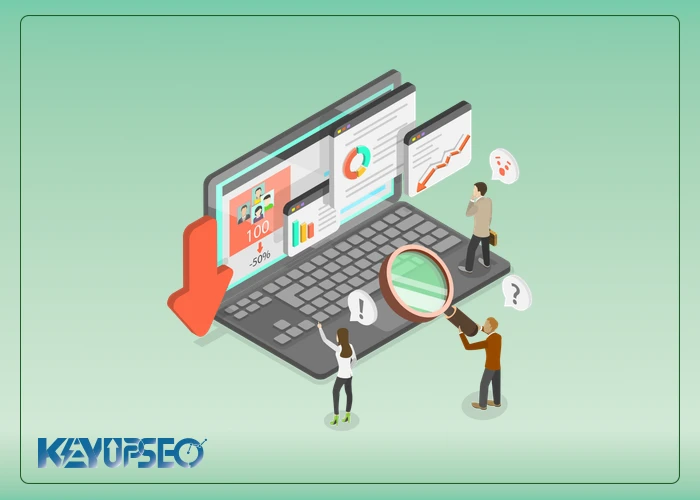
Real humans behave differently from each other. Some stay for thirty seconds. Some stay for five minutes. Some click one page. Some click five pages. Some visit in the morning. Some visit at midnight.
Bots behave the same every time.
If you buy traffic and every visitor has the exact same time on site, the exact same pages per visit, and the exact same pattern of clicks, you are looking at a script, not people.
Ask to see analytics from past campaigns. Look for natural variation. If the provider cannot share examples, run your own small test. Watch what happens.
You do not need advanced software to spot this. Just look at the numbers. Check Google Analytics. You can understand the quality of visits through how each visitor behaves.
Red Flag 8: No Clear Terms or Refund Policy
A legitimate provider puts their terms in writing. You can find them easily on their website. Refund policy, delivery timeline, and traffic sources are all clearly explained.
A fake provider hides this information. Their terms page is missing or vague. Refund policy says "case by case" or "contact us for details."
Never buy from someone who will not tell you what happens if their traffic does not work.
Ask these questions before paying: What is your refund policy? How long until I receive my visitors? What happens if I am unhappy with the quality?
If the answers are unclear or they say "trust us," keep your money in your pocket.
A real business stands behind their service with clear policies. Anyone who refuses to put terms in writing is planning to refuse your refund later.
Even with real traffic, your site needs to be ready to convert those visitors. Understanding the importance of site optimization with keywords helps you turn incoming traffic into actual customers instead of watching them leave.
Spot Fake Traffic Providers in 8 Steps
Before you spend any money on website traffic, run through this list. One "no" is a warning. Two or more means walk away.
1. Can you guarantee specific rankings or sales?
If yes, that is a lie. No one can guarantee rankings or sales. The honest answer is no.
2. Where does your traffic come from?
If they cannot name specific sources like search ads, social media, or display networks, do not buy.
3. Why is your price so low?
Real traffic has real costs. If the price is too low to be real, it is not real.
4. Can you share real examples or reviews from past clients?
If they have nothing to show, they have something to hide.
5. Can I start with a small test under one hundred dollars?
If no, they are locking you in before you discover the truth.
6. Why are you rushing me to buy now?
Legitimate sellers respect patience. Urgency is a pressure tactic used by scammers.
7. Can I see analytics data from past campaigns?
Look for natural variation in time on site and pages per visit. Perfect patterns mean bots.
8. What is your refund policy and where are your terms written?
If the terms are missing or vague, your refund will never come.
How to Avoid Fake Traffic Providers
Buying website traffic is not a scam. Buying from the wrong provider is.
The difference between a good investment and wasted money comes down to asking the right questions before you pay. A legitimate provider answers clearly, offers small tests, and puts everything in writing.
A fake provider promises rankings, hides their sources, rushes your decision, and has no clear refund policy.
Now you know the difference. Use the checklist above every time. Your budget will thank you.
If you are serious about SEO and want to measure content quality properly, the Keyword Density calculation guide on the KeyUpSeo blog explains how to optimize your pages without overdoing it.
Frequently Asked Questions
1. Is buying website traffic illegal?
No, buying website traffic is not illegal. Google allows paid traffic from real visitors. The problem is buying fake bot traffic, which can harm your site.
2. How can I test a traffic provider without losing money?
Start with a small test package under one hundred dollars. Run the traffic to one page and watch for real engagement like time on site.
3. What happens if I buy from a fake traffic provider?
You waste money and damage your analytics data. Fake traffic can also lower your conversion rates and get your ad accounts flagged.
4. Can fake traffic get my site banned from Google?
Unlikely from one purchase. But repeated use of bot traffic can cause ranking drops or manual actions against your site.
Release date : 8 June, 2026